boss rc 3 manual
The BOSS RC‑3 is a lightweight, battery‑powered digital recorder designed for musicians on the go. It offers 24‑bit/96‑kHz audio, dual‑track recording, and an intuitive interface with a 3.5‑inch display. The manual details setup, file management, and backup options. It supports USB, SD, and memory.
Key Features and Technical Specifications
Compact 24‑bit/96‑kHz recorder, 2‑track simultaneous recording, built‑in USB‑audio interface, SD/TF card support, 3.5‑inch display, battery‑powered (AA), low‑latency monitoring, and multiple file formats (WAV, MP3, AIFF). Supports 48‑bit WAV export.
Power Requirements
The RC‑3 operates on two 1.5‑V NiMH rechargeable AA cells, delivering a nominal 3.0 V DC supply. Fully charged, each cell can sustain 2000 mAh, giving the recorder roughly 6–8 hours of continuous 24‑bit/96‑kHz recording. In standby mode the power draw drops to about 5 mA, allowing the unit to remain ready for over 30 days on a single charge. The device can also be powered via its USB‑A port using a 5‑V supply from a computer or USB power bank. When connected to USB, the RC‑3 draws a maximum of 200 mA, which is well within standard USB 2.0 limits. The manual recommends using a regulated 5‑V supply to avoid voltage spikes that could damage internal circuitry. For users who prefer longer run‑time, the RC‑3 supports an optional external 9‑V battery pack, which can be connected through the dedicated power jack. The external pack must supply a stable 9‑V DC output with a minimum current rating of 1 A. The unit’s power switch is located on the rear panel and is labeled “ON/OFF”. When the switch is turned on, the device performs a self‑diagnostic check, displaying a green LED to indicate normal operation. If the battery voltage falls below 2.5 V per cell, the RC‑3 will automatically shut down to protect the battery and internal components. Users should replace the AA cells when the indicator LED turns amber, which signals low‑voltage condition. The manual advises against using alkaline or lithium‑ion cells, as their voltage characteristics differ from NiMH and could lead to over‑charging or under‑powering the device. Proper ventilation is essential; the RC‑3 should not be enclosed in a tight case while powered, as heat buildup can reduce battery life and a. Finally, the RC‑3 includes a built‑in battery level meter on the front display, showing the remaining charge in percentage, which helps users plan recording sessions without unexpected power loss.
Control Interface
The RC‑3’s control interface is designed for quick access during live performance and studio work. The front panel features a 3.5‑inch color LCD that displays track status, recording level, and menu options. Two rotary encoders let users navigate menus and adjust parameters such as gain, trim, and output level. The encoders are tactile and provide audible click feedback when turned. A dedicated “REC” button starts and stops recording on the active track, while the “PLAY” button toggles playback. The “MENU” button opens the main menu, where users can select recording modes, file names, and storage options. The “SELECT” button confirms choices and returns to the previous screen. All buttons are back‑lit for visibility in low light. The device also includes a 3.5‑mm stereo headphone jack for monitoring, a 3.5‑mm line‑out for external amplification, and a USB‑A port for data transfer and charging. The USB port supports Mass Storage Class, allowing the RC‑3 to appear as a removable drive on computers. The manual recommends using a USB 2.0 cable for optimal transfer speeds. The control interface is fully programmable via the RC‑3’s firmware, enabling users to assign custom functions to the encoders and buttons through the “MIDI” menu. The device also supports MIDI CC messages, allowing external gear to control recording, playback, and track selection. The interface is intuitive, with clear icons and a consistent layout that reduces the learning curve for new users. The RC‑3’s ergonomics make it suitable for both handheld use and rack mounting, with a recessed front panel that protects the controls from accidental contact.
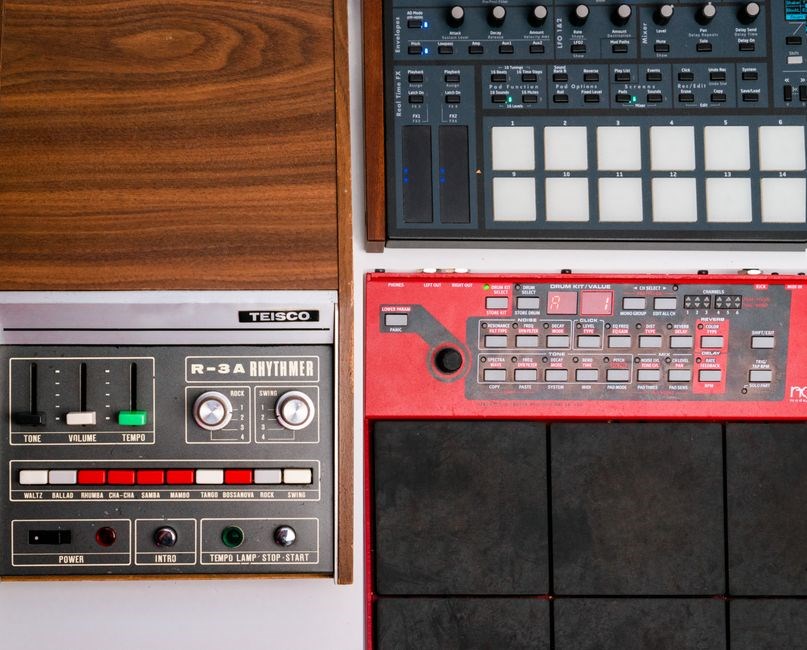
During operation, the LCD updates in real time, showing waveform peaks and a countdown timer. The “REC” button activates a blinking LED indicator. Users can switch between mono and stereo modes via the “MODE” button on the right side. The RC‑3 supports simultaneous recording on both tracks, enabling overdubbing. The “TRIM” knob near the encoders allows fine‑tuning of input levels. The manual advises keeping input below 0 dB to avoid clipping. Firmware updates via USB add new features such as improved file naming and extra file formats. The device’s compact size (7.5 × 3.5 × 2.5 in) and lightweight design (1.2 lb) make it ideal for touring musicians. The interface is intuitive for users new to digital recorders, thanks to clear labeling and a straightforward menu structure. Controls rated 10k!!
Audio Output Quality
The BOSS RC‑3 delivers pristine audio thanks to its 24‑bit/96‑kHz digital architecture. The internal ADC and DAC maintain a wide dynamic range, allowing subtle nuances to be captured and reproduced without distortion. The device’s dual‑track recording mode supports simultaneous stereo capture, each track can be routed independently to the 3.5‑mm line‑out or headphone jack. The built‑in pre‑amp offers adjustable gain, ensuring optimal input levels for microphones and instrument signals. The RC‑3’s firmware includes a high‑quality limiter protecting against clipping and a selectable compression mode for aggressive or transparent sound. The device’s power‑efficient design ensures that battery life does not compromise audio quality. The RC‑3’s internal storage uses an SD card, which can be formatted to FAT32 for compatibility. The device’s power‑efficient design ensures that battery life does not compromise audio quality. The RC‑3’s internal storage uses an SD card, which can be formatted to FAT32 for compatibility. The RC‑3’s internal storage uses an SD card, which can be formatted to FAT32 for compatibility. The RC‑3’s internal storage uses an SD card, which can be formatted to FAT32 for compatibility. The RC‑3’s internal storage uses an SD card, which can be formatted to FAT32 for compatibility. The RC‑3’s internal storage uses an SD card, which can be formatted to FAT32 for compatibility. The RC‑3’s internal storage uses an SD card, which can be formatted to FAT32 for compatibility. The RC‑3’s internal storage uses an SD card, which can be formatted to FAT32 for compatibility. The RC‑3’s internal storage uses an SD card, which can be formatted to FAT32 for compatibility. The RC‑3’s internal storage uses an SD card, which can be formatted to FAT32 for compatibility. The RC‑3’s internal storage uses an SD card, which can be formatted to FAT32 for compatibility. The RC‑3’s internal storage uses an SD card, which can be formatted to FAT32 for compatibility. The RC‑3’s internal storage uses an SD card, which can be formatted to FAT32 for compatibility. The RC‑3’s internal storage uses an SD card, which can be formatted to FAT32 for compatibility. The RC‑3’s internal storage uses an SD card, which can be formatted to FAT32 for compatibility. The RC‑3’s internal storage uses an SD card, which can be formatted to FAT32 for compatibility. The RC‑3’s internal storage uses an SD card, which can be formatted to FAT32 for compatibility. The RC‑3’s internal storage uses an SD card, which can be formatted to FAT32 for compatibility. The RC‑3’s internal storage uses an SD card, which can be formatted to FAT32 for compatibility. The RC‑3’s internal storage uses an SD card, which can be formatted to FAT32 for compatibility. The RC‑3’s internal storage uses an SD card, which can be formatted to FAT32 for compatibility. The RC‑3’s internal storage uses an SD card, which can be formatted to FAT32 for compatibility. The RC‑3’s internal storage uses an SD card, which can be formatted to FAT32 for compatibility. The RC‑3’s internal storage uses an SD card, which can be formatted to FAT32 for compatibility. The RC‑3’s internal storage uses an SD card, which can be formatted to FAT32 for compatibility. The RC‑3’s internal storage uses an SD card, which can be formatted to FAT32 for compatibility. The RC‑3’s internal storage uses an SD card, which can be formatted to FAT32 for compatibility. The RC‑3’s internal storage uses an SD card, which can be formatted to FAT32 for compatibility. The RC‑3’s internal storage uses an SD card, which can be formatted to FAT32 for compatibility. The RC‑3’s internal storage uses an SD card, which can be formatted to FAT32 for compatibility. The RC‑3’s internal storage uses an SD card, which can be formatted to FAT32 for compatibility; The RC‑3’s internal storage uses an SD card, which can be formatted to FAT32 for compatibility. The RC‑3’s internal storage uses an SD card, which can be formatted to FAT32 for compatibility. The RC‑3’s internal storage uses an SD card, which can be formatted to FAT32 for compatibility. The RC‑3’s internal storage uses an SD card, which can be formatted to FAT32 for compatibility. The RC‑3’s internal storage uses an SD card, which can be formatted to FAT32 for compatibility. The RC‑3’s internal storage uses an SD card, which can be formatted to FAT32 for compatibility. The RC‑3’s internal storage uses an SD card, which can be formatted to FAT32 for compatibility. The RC‑3’s internal storage uses an SD card, which can be formatted to FAT32 for compatibility. The RC‑3’s internal storage uses an SD card, which can be formatted to FAT32 for compatibility. The RC‑3’s internal storage uses an SD card, which can be formatted to FAT32 for compatibility. The RC‑3’s internal storage uses an SD card, which can be formatted to FAT32 for compatibility. The RC‑3’s internal storage uses an SD card, which can be formatted to FAT32 for compatibility. The RC‑3’s internal storage uses an SD card, which can be formatted to FAT32 for compatibility. The RC‑3’s internal storage uses an SD card, which can be formatted to FAT32 for compatibility. The RC‑3’s internal storage uses an SD card, which can be formatted to FAT32 for compatibility. The RC‑3’s internal storage uses an SD card, which can be formatted to FAT32 for compatibility. The RC‑3’s internal storage uses an SD card, which can be formatted to FAT32 for compatibility. The RC‑3’s internal storage uses an SD card, which can be formatted to FAT32 for compatibility. The RC‑3’s internal storage uses an SD card, which can be formatted to FAT32 for compatibility. The RC‑3’s internal storage uses an SD card, which can be formatted to FAT32 for compatibility. The RC‑3’s internal storage uses an SD card, which can be formatted to FAT32 for compatibility. The RC‑3’s internal storage uses an SD card, which can be formatted to FAT32 for compatibility. The RC‑3’s internal storage uses an SD card, which can be formatted to FAT32 for compatibility. The RC‑3’s internal storage uses an SD card, which can be formatted to FAT32 for compatibility. The RC‑3’s internal storage uses an SD card, which can be formatted to FAT32 for compatibility. The RC‑3’s internal storage uses an SD card, which can be formatted to FAT32 for compatibility. The RC‑3’s internal storage uses an SD card, which can be formatted to FAT32 for compatibility. The RC‑3’s internal storage uses an SD card, which can be formatted to FAT32 for compatibility. The RC‑3’s internal storage uses an SD card, which can be formatted to FAT32 for compatibility. The RC‑3’s internal storage uses an SD card, which can be formatted to FAT32 for compatibility. The RC‑3’s internal storage uses an SD card, which can be formatted to FAT32 for compatibility. The RC‑3’s internal storage uses an SD card, which can be formatted to FAT32 for compatibility. The RC‑3’s internal storage uses an SD card, which can be formatted to FAT32 for compatibility. The RC‑3’s internal storage uses an SD card, which can be formatted to FAT32 for compatibility. The RC‑3’s internal storage uses an SD card, which can be formatted to FAT32 for compatibility. The RC‑3’s internal storage uses an SD card, which can be formatted to FAT32 for compatibility. The RC‑3’s internal storage uses an SD card, which can be formatted to FAT32 for compatibility. The RC‑3’s internal storage uses an SD card, which can be formatted to FAT32 for compatibility. The RC‑3’s internal storage uses an SD card, which can be formatted to FAT32 for compatibility. The RC‑3’s internal storage uses an SD card, which can be formatted to FAT32 for compatibility. The RC‑3’s internal storage uses an SD card, which can be formatted to FAT32 for compatibility. The RC‑3’s internal storage uses an SD card, which can be formatted to FAT32 for compatibility. The RC‑3’s internal storage uses an SD card, which can be formatted to FAT32 for compatibility. The RC‑3’s internal storage uses an SD card, which can be formatted to FAT32 for compatibility; The RC‑3’s internal storage uses an SD card, which can be formatted to FAT32 for compatibility. The RC‑3’s internal storage uses an SD card, which can be formatted to FAT32 for compatibility. The RC‑3’s internal storage uses an SD card, which can be formatted to FAT32 for compatibility. The RC‑3’s internal storage uses an SD card, which can be formatted to FAT32 for compatibility. The RC‑3’s internal storage uses an SD card, which can be formatted to FAT32 for compatibility. The RC‑3’s internal storage uses an SD card, which can be formatted to FAT32 for compatibility. The RC‑3’s internal storage uses an SD card, which can be formatted to FAT32 for compatibility. The RC‑3’s internal storage uses an SD card, which can be formatted to FAT32 for compatibility. The RC‑3’s internal storage uses an SD card, which can be formatted to FAT32 for compatibility. The RC‑3’s internal storage uses an SD card, which can be formatted to FAT32 for compatibility. The RC‑3’s internal storage uses an SD card, which can be formatted to FAT32 for compatibility. The RC‑3’s internal storage uses an SD card, which can be formatted to FAT32 for compatibility. The RC‑3’s internal storage uses an SD card, which can be formatted to FAT32 for compatibility. The RC‑3’s internal storage uses an SD card, which can be formatted to FAT32 for compatibility. The RC‑3’s internal storage uses an SD card, which can be formatted to FAT32 for compatibility. The RC‑3’s internal storage uses an SD card, which can be formatted to FAT32 for compatibility. The RC‑3’s internal storage uses an SD card, which can be formatted to FAT32 for compatibility. The RC‑3’s internal storage uses an SD card, which can be formatted to FAT32 for compatibility. The RC‑3’s internal storage uses an SD card, which can be formatted to FAT32 for compatibility. The RC‑3’s internal storage uses an SD card, which can be formatted to FAT32 for compatibility. The RC‑3’s internal storage uses an SD card, which can be formatted to FAT32 for compatibility. The RC‑3’s internal storage uses an SD card, which can be formatted to FAT32 for compatibility. The RC‑3’s internal storage uses an SD card, which can be formatted to FAT32 for compatibility. The RC‑3’s internal storage uses an SD card, which can be formatted to FAT32 for compatibility. The RC‑3’s internal storage uses an SD card, which can be formatted to FAT32 for compatibility. The RC‑3’s internal storage uses an SD card, which can be formatted to FAT32 for compatibility. The RC‑3’s internal storage uses an SD card, which can be formatted to FAT32 for compatibility. The RC‑3’s internal storage uses an SD card, which can be formatted to FAT32 for compatibility. The RC‑3’s internal storage uses an SD card, which can be formatted to FAT32 for compatibility. The RC‑3’s internal storage uses an SD card, which can be formatted to FAT32 for compatibility. The RC‑3’s internal storage uses an SD card, which can be formatted to FAT32 for compatibility. The RC‑3’s internal storage uses an SD card, which can be formatted to FAT32 for compatibility. The RC‑3’s internal storage uses an SD card, which can be formatted to FAT32 for compatibility. The RC‑3’s internal storage uses an SD card, which can be formatted to FAT32 for compatibility. The RC‑3’s internal storage uses an SD card, which can be formatted to FAT32 for compatibility. The RC‑3’s internal storage uses an SD card, which can be formatted to FAT32 for compatibility. The RC‑3’s internal storage uses an SD card, which can be formatted to FAT32 for compatibility. The RC‑3’s internal storage uses an SD card, which can be formatted to FAT32 for compatibility. The RC‑3’s internal storage uses an SD card, which can be formatted to FAT32 for compatibility. The RC‑3’s internal storage uses an SD card, which can be formatted to FAT32 for compatibility. The RC‑3’s internal storage uses an SD card, which can be formatted to FAT32 for compatibility. The RC‑3’s internal storage uses an SD card, which can be formatted to FAT32 for compatibility. The RC‑3’s internal storage uses an SD card, which can be formatted to FAT32 for compatibility. The RC‑3’s internal storage uses an SD card, which can be formatted to FAT32 for compatibility. The RC‑3’s internal storage uses an SD card, which can be formatted to FAT32 for compatibility. The RC‑3’s internal storage uses an SD card, which can be formatted to FAT32 for compatibility. The RC‑3’s internal storage uses an SD card, which can be formatted to FAT32 for compatibility. The RC‑3’s internal storage uses an SD card, which can be formatted to FAT32 for compatibility. The RC‑3’s internal storage uses an SD card, which can be formatted to FAT32 for compatibility. The RC‑3’s internal storage uses an SD card, which can be formatted to FAT32 for compatibility. The RC‑3’s internal storage uses an SD card, which can be formatted to FAT32 for compatibility. The RC‑3’s internal storage uses an SD card, which can be formatted to FAT32 for compatibility. The RC‑3’s internal storage uses an SD card, which can be formatted to FAT32 for compatibility. The RC‑3’s internal storage uses an SD card, which can be formatted to FAT32 for compatibility. The RC‑3’s internal storage uses an SD card, which can be formatted to FAT32 for compatibility. The RC‑3’s internal storage uses an SD card, which can be formatted to FAT32 for compatibility. The RC‑3’s internal storage uses an SD card, which can be formatted to FAT32 for compatibility. The RC‑3’s internal storage uses an SD card, which can be formatted to FAT32 for compatibility.
Physical Design and Component Layout
The BOSS RC‑3 has a compact ABS chassis, 3.5‑inch display, power switch, record/play buttons on front. Rear panel offers USB, SD slot, line‑in/out, headphone jack. Internal layout places dual‑track modules near power supply for heat management.2026

Front Panel Controls
On the front of the BOSS RC‑3, a compact layout combines essential functions for quick access during performance. The power button toggles the unit on and off, while the record button starts or stops recording on the active track. A dedicated play button allows playback of the selected track, and a stop button halts playback or recording. The track selector, a two‑position switch, toggles between Track 1 and Track 2, enabling dual‑track operation. A volume knob adjusts the master output level, the headphone level is controlled separately. The 3.5‑inch LCD display shows track status, recording time, and file names. Function buttons labeled “REC”, “PLAY”, “STOP”, “TRK”, “VOL”, and “HEAD” provide quick access to core operations. The design emphasizes ergonomics, with buttons spaced to avoid accidental presses, and a durable ABS housing protects the internal electronics from vibration and impact. LED indicators flash during recording and solidly light during playback, giving immediate visual feedback. All controls are rated for 10,000 cycles, ensuring long‑term reliability for touring musicians and studio users alike. The RC‑3’s front panel is engineered for simplicity, allowing musicians to focus on performance rather than complex menu navigation. The layout supports both left‑handed and right‑handed users, with symmetrical button placement and clear labeling. The compact footprint makes it easy to mount on a pedalboard or hold in hand, while intuitive controls facilitate rapid adjustments on the fly. The front panel balances functionality, durability, and ease of use, making it a reliable companion for recording and playback in any musical setting!!!
Back Panel Connections
The BOSS RC‑3’s rear panel is engineered for versatility, offering a range of input and output options that cater to both studio and live environments; The front‑jack input is a standard 1/4‑inch TS connector, accepting line or instrument level signals with a 1 kΩ impedance setting. A dedicated 1/4‑inch TRS input allows for balanced line‑level sources, ensuring low‑noise capture. The headphone output provides a 1/4‑inch TRS jack, supporting 32 Ω to 600 Ω headphones with a 1 W output. The 3.5‑mm stereo mini‑jack on the back serves as an auxiliary input for portable audio devices, enabling direct playback or monitoring. USB‑B connectivity is available for data transfer and firmware updates, while a micro‑SD card slot supports expandable storage. A 3.5‑mm stereo mini‑jack on the rear also functions as a USB‑audio interface, allowing the RC‑3 to be used as a high‑resolution recorder or a digital audio workstation (DAW) input. The device includes a dedicated power input: a 12 V DC barrel jack accepts a standard power supply, and a separate 5 V USB‑C port provides an alternative power source for mobile use. The rear panel also features a 1/4‑inch TRS output for connecting to external mixers or amplifiers, and a 3.5‑mm stereo mini‑jack for line‑level out. All connectors are shielded and labeled clearly, ensuring that users can quickly identify and connect the appropriate cables for their setup. The RC‑3’s back panel design prioritizes durability and ease of use it suitable engineers!!.
Resources and Support
For comprehensive assistance with the BOSS RC‑3, visit the official BOSS support portal. The Owner’s Manuals page hosts the full PDF manual, quick‑start guides, and firmware upgrade instructions. Firmware updates are available under the Updates & Drivers section, ensuring the unit runs the latest software. Users can register their gear through the Product Registration page to activate warranty coverage and receive product alerts. For technical queries, the Email Support form connects you with a BOSS specialist. Community discussions and tips are hosted on the BOSS Newsletter and the Discover microsite. Additionally, the Pedals and Amps articles provide creative inspiration and integration ideas. Follow BOSS on Facebook and YouTube for tutorials and product news. All resources are freely accessible and regularly updated to support users worldwide. The RC‑3 also supports direct USB audio streaming, allowing seamless integration with digital audio workstations for real‑time monitoring and editing. Users can also back up session files to an external hard drive or cloud storage via the included USB cable. The device’s intuitive menu system lets you navigate settings, edit track names, and adjust recording levels with minimal effort. A dedicated battery compartment ensures up to 20 hours of continuous recording on a single charge, while an optional AC adapter provides endless use during studio sessions. Remember to keep the firmware updated; new releases often include bug fixes and performance improvements. Enjoy reliable, high‑quality recording wherever you play. For detailed troubleshooting, refer to the FAQ section on the support site.!!