
men’s jeans fit guide
Navigating the world of men’s jeans requires understanding fit, washes, and fabrics; a crucial element of a stylish wardrobe, evolving from workwear to a fashion staple.
Why Jeans Fit Matters
The correct jeans fit dramatically impacts your overall appearance and comfort. Ill-fitting jeans can detract from even the most carefully curated outfit, creating an unbalanced or sloppy silhouette. A well-fitted pair, conversely, enhances your physique and projects confidence. Beyond aesthetics, comfort is paramount; restrictive jeans hinder movement, while overly loose jeans lack polish.
Jeans are a foundational piece in most men’s wardrobes, demanding attention to detail. Understanding how different fits complement various body types is key. Choosing the right fit isn’t merely about size; it’s about proportion, balance, and personal style. From casual outings to more dressed-up occasions, the fit of your jeans sets the tone. Investing time in finding the perfect fit yields a versatile and enduring wardrobe staple.
The Evolution of Men’s Jeans Styles
Originally designed as durable workwear for laborers in the late 19th century, jeans have undergone a remarkable transformation. Early jeans were primarily straight-leg and practical, prioritizing functionality over fashion. The mid-20th century saw jeans adopted by youth culture, becoming a symbol of rebellion and individuality. This era introduced variations like the bootcut, catering to evolving tastes.
The late 20th and early 21st centuries witnessed an explosion of styles – relaxed fits, baggy jeans, and eventually, the rise of skinny jeans. Today, a diverse range of fits coexist, reflecting a broader acceptance of personal style. From raw denim enthusiasts to those seeking classic silhouettes, the evolution continues, driven by trends and a desire for both comfort and self-expression. Jeans remain a dynamic and ever-changing fashion item.
Understanding Key Fit Terms
Decoding terms like waist size, rise, inseam, and leg opening is essential; these measurements define how jeans will sit and feel on your body.
Waist Size and Rise
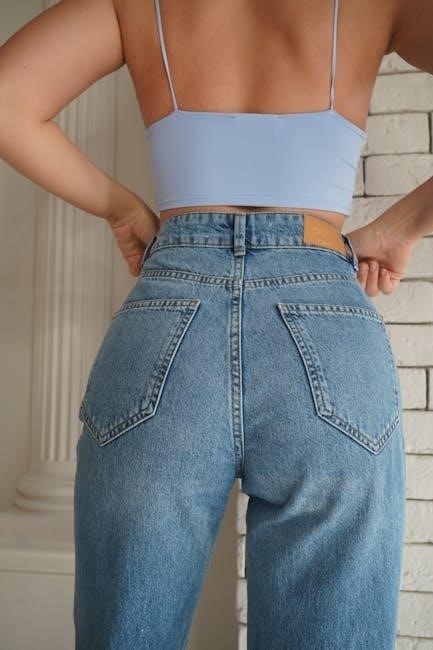
Waist size, typically measured in inches, indicates the circumference around your natural waistline or where you typically wear your jeans. Accurate measurement is paramount, often requiring a flexible measuring tape and assistance for precision. Rise, however, refers to the distance between the crotch seam and the top of the waistband.
Different rises dramatically alter a jean’s silhouette and comfort. Low-rise jeans sit below the natural waist, offering a more relaxed, sometimes trendy look, while mid-rise jeans hit at or near the natural waist, providing a balanced and versatile fit. High-rise jeans, increasingly popular, sit above the natural waist, offering a secure feel and elongating the legs. Choosing the right rise depends on body type, personal preference, and the overall desired aesthetic. Consider how the rise interacts with your torso length and shirt tucking habits for optimal style and comfort.
Inseam and Leg Opening
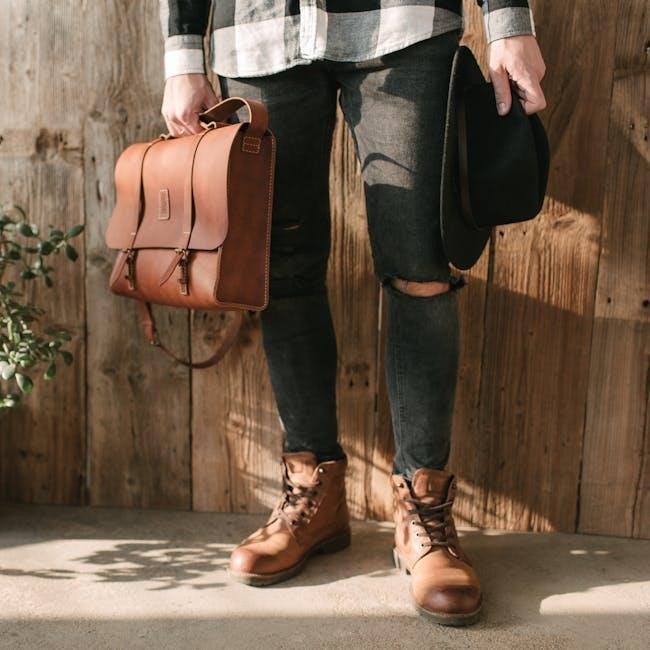
Inseam measures the distance from the crotch seam to the bottom hem of the jeans, directly impacting how the jeans drape over your shoes. Accurate inseam measurement, usually taken with shoes on, is crucial for avoiding bunching or jeans that are too short. Leg opening, conversely, defines the width of the jeans at the ankle.
A narrower leg opening characterizes skinny or slim-fit jeans, while wider openings are found in relaxed or bootcut styles. The leg opening influences the overall silhouette and compatibility with different footwear. Pairing wider leg openings with boots is a classic choice, while slimmer openings complement sneakers or dress shoes. Consider your shoe preferences and desired aesthetic when selecting a leg opening. A well-chosen inseam and leg opening ensure a proportionate and stylish look;
Taper, Straight, and Boot Cut Explained
Understanding these cuts is key to finding your ideal jeans. A straight fit maintains a consistent width from the hip to the ankle, offering a classic and versatile silhouette. Tapered jeans gradually narrow from the knee to the ankle, creating a modern, streamlined look – often favored for a more fitted appearance.
Bootcut jeans, conversely, are wider from the knee down, designed to accommodate boots. This style balances the proportions and provides a comfortable fit over footwear. The degree of taper or flare varies between brands and styles. Choosing the right cut depends on your body type and personal preference. Tapered jeans work well with slimmer builds, while bootcut suits those with larger calves or who frequently wear boots. Straight leg is a universally flattering option.
Popular Jeans Fits for Men
Exploring current trends reveals diverse options: skinny, slim, straight, relaxed, and bootcut jeans cater to varied styles and body types, offering both comfort and fashion.
Skinny Jeans: A Detailed Look
Skinny jeans represent a modern, streamlined silhouette, closely conforming to the leg from hip to ankle. Characterized by a low rise and tight fit, they’ve become a staple for those seeking a contemporary aesthetic. However, achieving the right look requires careful consideration.
These jeans often feature a significant amount of stretch, typically incorporating elastane or spandex for comfort and mobility. Pairing them effectively involves balancing the slim fit with looser upper-body layers – think relaxed-fit t-shirts or slightly oversized sweaters.
Footwear choices are also crucial; sneakers, Chelsea boots, or even minimalist leather boots complement the skinny jean’s shape. Avoid overly bulky shoes, as they can disrupt the overall proportion. While once ubiquitous, skinny jeans are now often favored for specific occasions or by those who embrace a more fashion-forward style.
Slim Fit Jeans: Versatility and Style
Slim fit jeans strike a balance between modern style and classic comfort, offering a versatile option for a wide range of body types and occasions. They are typically tapered from the knee down, creating a clean, streamlined silhouette without being overly restrictive. Unlike skinny jeans, slim fits generally provide more room in the thigh and calf.
This makes them incredibly adaptable – easily dressed up with a button-down shirt and loafers, or dressed down with a t-shirt and sneakers. The key to a good slim fit is finding a pair that follows the natural line of your leg without feeling tight or constricting.
They are a foundational piece in any man’s wardrobe, offering a polished yet relaxed look suitable for both casual and semi-formal settings. Consider the rise; a mid-rise is generally the most flattering and versatile.
Straight Fit Jeans: The Classic Choice
Straight fit jeans represent a timeless silhouette, offering a consistently stylish and universally flattering option for men. Characterized by a consistent width from the hip to the ankle, they provide a comfortable and relaxed fit without being overly baggy or tapered. This classic cut works well with various body types, making it a reliable choice for building a versatile wardrobe.
Straight leg jeans are incredibly adaptable, pairing seamlessly with everything from t-shirts and sneakers for a casual look to blazers and boots for a more refined style. They are a foundational piece, offering a clean and balanced aesthetic.
When selecting straight fit jeans, pay attention to the rise and wash to achieve your desired look. A mid-rise is generally the most versatile, while washes range from dark to light, influencing the overall formality.
Relaxed Fit Jeans: Comfort and Ease
Relaxed fit jeans prioritize comfort, offering a looser silhouette throughout the leg. Unlike slimmer cuts, these jeans provide ample room for movement, making them ideal for everyday wear and those who prefer a less restrictive feel. They typically sit lower on the waist and have a more generous cut through the seat and thigh.
This style is a great choice for men seeking a casual and laid-back aesthetic. They pair well with comfortable footwear like sneakers or boots, and can be easily styled with t-shirts, sweaters, or even button-down shirts.
While relaxed fit jeans aren’t as traditionally ‘fashion-forward’ as slimmer styles, they offer a timeless appeal and enduring comfort, proving a practical addition to any man’s denim collection.
Bootcut Jeans: For Boots and Beyond
Bootcut jeans are characterized by a slight flare below the knee, designed to accommodate boots – hence the name. However, they’re incredibly versatile and look fantastic with a wide range of footwear, not just boots! The subtle widening balances broader shoulders and creates a proportional silhouette.
This classic style offers a comfortable fit through the seat and thigh, providing a relaxed yet put-together look. They’re a great alternative to both skinny and straight-leg jeans, offering a more forgiving and timeless aesthetic.
Pair bootcut jeans with boots, sneakers, or even loafers for a stylish and adaptable outfit. They work well with both casual and slightly more dressed-up tops, making them a wardrobe staple.

Denim Wash and Fabric Weight
Denim’s appearance and feel depend on wash and weight; lighter washes are casual, darker washes are versatile, and weight impacts durability and drape.
Light Wash vs. Dark Wash Jeans
Light wash jeans generally evoke a more relaxed, casual vibe, perfect for warmer weather or laid-back settings. They often feature a faded or distressed appearance, contributing to a vintage or worn-in aesthetic. Think weekend outings, casual Fridays, or pairing with brighter colored tops. However, they might not be the best choice for more formal occasions.
Dark wash jeans, conversely, offer greater versatility. Their deeper indigo hue lends itself well to both casual and slightly more dressed-up looks. They can easily transition from day to night, and are often considered a more sophisticated option. Dark wash jeans pair beautifully with everything from t-shirts and sneakers to button-down shirts and loafers. They are a foundational piece for any man’s wardrobe, offering a polished and timeless style.
Ultimately, the choice between light and dark wash depends on your personal style and the occasion. Consider the overall look you’re aiming for and select accordingly.
Raw Denim: A Deep Dive
Raw denim, also known as dry denim, is unwashed and untreated denim fabric. This means it hasn’t undergone the softening processes typical of most jeans. Initially, raw denim feels stiff and rigid, but with wear, it molds to your body, creating a uniquely personalized fit. This process, called “breaking in,” is a key appeal for denim enthusiasts.
The beauty of raw denim lies in its ability to develop character. Creases, fades, and wear patterns – known as “whiskering” and “honeycombs” – emerge based on your individual movements and lifestyle. This creates a one-of-a-kind aesthetic that tells a story.
Caring for raw denim requires patience and specific techniques. Washing is minimized to preserve the fading process, often involving spot cleaning or airing out. Investing in raw denim is an investment in a long-lasting, evolving piece.
Denim Weight: Ounces and Their Impact
Denim weight is measured in ounces (oz), indicating the weight of the denim fabric per square yard. Lighter-weight denim typically ranges from 8-12oz, offering greater comfort and drape, ideal for warmer weather and a more relaxed feel. These are often easier to break in and more flexible.
Mid-weight denim, around 12-14oz, strikes a balance between durability and comfort, making it a versatile choice for year-round wear. Heavier-weight denim, 14oz and above, is incredibly durable and robust, often preferred for raw denim and workwear-inspired styles.
Heavier denim takes longer to break in but develops richer, more pronounced fades. The weight influences the jean’s structure, drape, and overall feel – a crucial factor when selecting jeans for your needs and preferences.
How to Measure for Jeans
Accurate measurements of your waist and inseam are essential for finding the perfect jeans fit, ensuring both comfort and a flattering silhouette.
Measuring Your Waist Accurately
To determine your waist size, use a flexible measuring tape and measure around your natural waistline – this is typically where you bend naturally when standing. Avoid measuring over clothing, as this can add unnecessary bulk to the measurement. Ensure the tape is snug but not tight, and keep it level all the way around your body.
Don’t suck in your stomach or pull the tape too tight; a relaxed, natural stance will provide the most accurate reading. If you’re between sizes, it’s generally recommended to size up, as you can always tighten a belt, but you can’t easily expand the waist of your jeans.
Repeat the measurement a couple of times to confirm consistency. Many brands also provide size charts that correlate waist measurements with specific jean sizes, so referencing these charts can be incredibly helpful in finding the right fit.
Determining Your Inseam
Measuring your inseam accurately is vital for achieving the correct jean length. The most reliable method involves using a measuring tape while wearing shoes similar to those you’ll pair with your jeans. Have a friend assist, or carefully measure yourself in front of a mirror.
Start the tape measure at your crotch and extend it down to where you want the bottom of your jeans to fall on your shoe – typically, this is the top of your shoe or slightly covering it. Ensure the tape measure follows the natural curve of your leg and isn’t too tight or loose.
Alternatively, you can measure a pair of well-fitting pants. Lay them flat and measure from the crotch seam to the hem. Remember to consider break – the amount of fabric that folds or creases above your shoe. A full break is more traditional, while no break is more modern.

Brands Known for Great Fits
Several brands consistently deliver exceptional fits for men’s jeans, including Levi’s, Todd Snyder, and others, offering diverse styles and quality denim options.
Levi’s Fit Guide
Levi’s, a cornerstone of denim history, offers a comprehensive fit guide to navigate their extensive range. Their 501 Original Fit provides a classic, straight leg, sitting at the waist – a timeless choice for versatility. For a more modern silhouette, the 511 Slim Fit offers a tapered leg, ideal for showcasing footwear. Those seeking a closer fit will appreciate the 512 Slim Taper, hugging the thigh and narrowing towards the ankle.
The 505 Regular Fit delivers a relaxed, straight cut, providing comfort and ease of movement. Levi’s also caters to contemporary trends with the 510 Skinny Fit, a slim fit throughout the leg. Understanding your body type is key; Levi’s website provides detailed measurements and fit recommendations. They also offer variations within each fit, such as different rises (low, mid, high) and washes, allowing for a personalized fit. Don’t hesitate to consult their size chart and consider reading customer reviews for additional insights before making a purchase.
Todd Snyder Jeans Selection
Todd Snyder distinguishes itself with a focus on premium materials and refined fits, offering a curated selection of men’s jeans. Snyder’s collection often features Japanese denim, known for its exceptional quality and unique textures. Expect to find classic fits like straight and slim, but with a modern sensibility and attention to detail. Their jeans frequently incorporate subtle design elements, such as unique stitching or hardware, elevating them beyond basic denim.
Snyder prioritizes comfort and durability, utilizing robust denim weights and construction techniques. The brand’s fit guide emphasizes a tailored approach, encouraging customers to consider their body type and desired aesthetic. They often offer detailed product descriptions outlining the fit characteristics of each style. Expect a slightly higher price point reflecting the quality of materials and craftsmanship. Exploring Todd Snyder’s jeans is an investment in timeless style and enduring quality, offering a sophisticated alternative to mainstream denim brands.
Other Recommended Brands
Beyond Levi’s and Todd Snyder, several brands consistently deliver excellent fits and quality denim for men. A.P.C. is renowned for its minimalist aesthetic and raw denim options, appealing to those seeking a classic, understated look. Nudie Jeans, a Swedish brand, champions sustainable practices and offers a wide range of fits, including organic cotton options. Frame offers a contemporary take on denim, with innovative washes and flattering silhouettes.
For those prioritizing heritage and craftsmanship, consider brands like Tellason and Railcar Fine Goods, specializing in selvedge denim. Madewell (though often associated with women’s wear) also provides a solid selection of men’s jeans with a focus on comfort and modern fits. Ultimately, the best brand depends on individual preferences and budget, but these options represent a diverse range of styles and quality levels, ensuring a perfect fit for every man.
Styling Tips Based on Fit
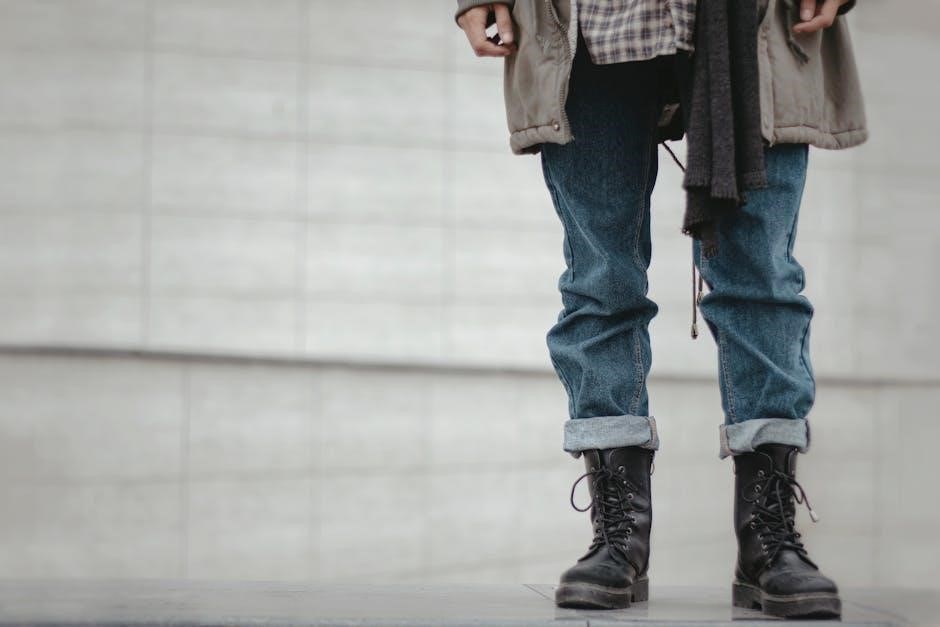
Elevate your style by coordinating outfits with your jeans’ fit; consider shoes, shirts, and layering pieces to create a cohesive, fashionable ensemble.
What to Wear with Skinny Jeans
Skinny jeans demand a balanced silhouette. To avoid a top-heavy appearance, pair them with slightly looser-fitting tops. Think classic t-shirts, henleys, or lightweight sweaters. A tucked-in Oxford shirt offers a smart-casual vibe, while a denim jacket adds texture and dimension.
Footwear is key. Chelsea boots or chukka boots complement the streamlined look, adding a touch of sophistication. For a more relaxed style, consider clean white sneakers or minimalist leather sneakers. Avoid overly bulky footwear, as it can disrupt the proportions.
Layering is your friend. A bomber jacket or a field jacket can elevate the outfit, providing both style and functionality. Accessorize with a leather belt and a simple watch to complete the look. Remember, confidence is the ultimate accessory!
Pairing Slim Fit Jeans with Different Shoes
Slim fit jeans are incredibly versatile, adapting to various footwear choices. For a refined aesthetic, combine them with leather loafers or dress boots, ideal for smart-casual occasions. White sneakers provide a clean, contemporary look, perfect for everyday wear. Chukka boots offer a rugged yet stylish option, bridging the gap between casual and formal.
Experiment with suede shoes for added texture and warmth, particularly during fall and winter. Minimalist sneakers in neutral colors maintain a sleek silhouette. Avoid overly bulky or athletic shoes, as they can clash with the tailored fit of the jeans.
Consider the occasion when selecting your footwear. A polished leather shoe elevates the outfit, while a casual sneaker keeps it relaxed. Don’t be afraid to play with color and texture to express your personal style!
Completing the Look with Straight Fit Jeans
Straight fit jeans offer a timeless silhouette, easily paired with diverse tops and outerwear. A classic t-shirt and denim jacket create a relaxed, everyday ensemble. For a smarter appearance, opt for a button-down shirt, tucked or untucked, and a blazer. Leather jackets add an edgy touch, while bomber jackets provide a more casual vibe.
Footwear choices are equally flexible; sneakers, boots, or loafers all complement straight-leg jeans. Accessorize with a leather belt that matches your shoes for a cohesive look. Consider a simple watch and understated jewelry to enhance the outfit without overpowering it.
Straight fit jeans are a blank canvas – personalize with your favorite pieces and express your individual style!