marine corps guidon manual
Marine Corps Guidon Manual: A Comprehensive Plan
This manual details the precise specifications for Marine Corps guidons, encompassing historical context, construction, etiquette, and proper usage.
It serves as a definitive resource for all personnel involved with these vital unit symbols, ensuring adherence to established military standards and traditions.
Guidon dimensions are officially 1.83 feet on the hoist and 2.33 feet on the fly, with detailed construction adhering to strict military specifications.
Aiguillettes, denoting aides-de-camp, are authorized, mirroring practices across the Department of Defense, including the Army and Navy branches.
The Marine Corps Guidon is far more than a mere flag; it represents a unit’s history, honor, and unwavering dedication to duty. Serving as a rallying point and a symbol of identity, the guidon embodies the spirit and legacy of the Marines it represents. This introductory section will lay the groundwork for understanding its significance within the Corps.
Historically, guidons evolved from early military standards used for battlefield identification. Today, they maintain that crucial function, allowing for immediate recognition of units during formations, parades, and in combat situations. Each guidon is unique, reflecting the specific lineage and accomplishments of its assigned command.
Unlike a national flag, which represents a country, the guidon specifically identifies a particular military unit – a company, platoon, or other organizational element. Its design incorporates elements that distinguish it from other units, including unique colors, symbols, and numerical designations. Proper respect and handling of the guidon are paramount, reflecting the honor and prestige it carries. Understanding its role is fundamental to upholding Marine Corps traditions and demonstrating unit pride. The guidon is a living testament to the courage and sacrifice of those who have served before.
Historical Significance of the Guidon
The lineage of the Marine Corps guidon traces back to ancient military practices, evolving from early battlefield standards used to identify formations and rally troops. These early standards, often adorned with symbols representing the commanding officer or unit, served a vital purpose in the chaos of combat. Over centuries, these standards gradually transformed into the recognizable guidons we know today.
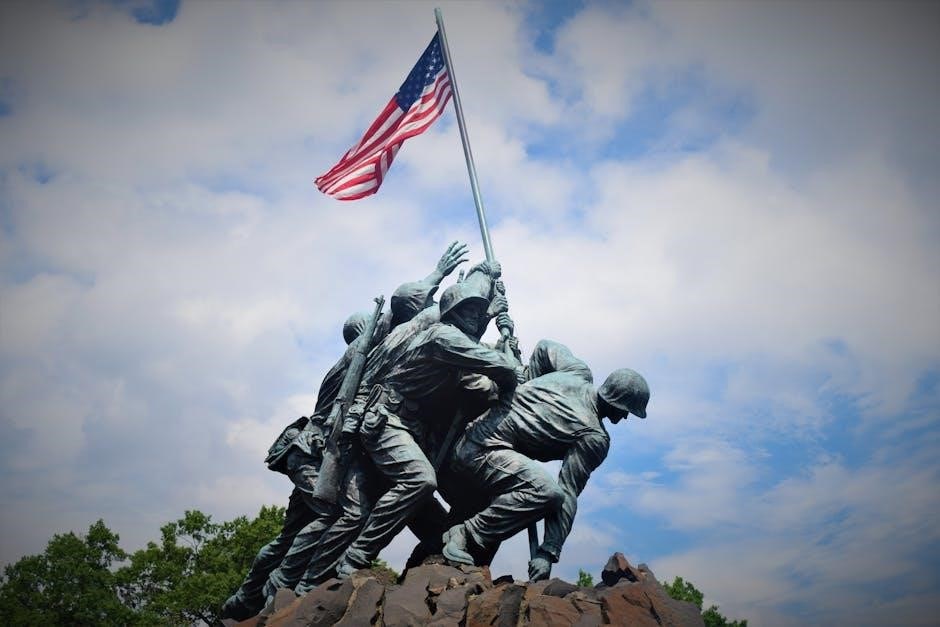
Within the Marine Corps, the adoption of formalized guidons coincided with the development of distinct unit identities. As the Corps grew and its units participated in numerous conflicts, each guidon began to accumulate a unique history, marked by battle honors and distinguished service. These honors are often reflected in the unit’s colors and insignia.

Throughout pivotal moments in American history – from the Revolutionary War to modern-day operations – the guidon has served as a constant symbol of Marine Corps valor and commitment. It has been carried into battle, flown over forward operating bases, and displayed with pride during ceremonies honoring fallen comrades. The guidon isn’t simply a piece of cloth; it’s a tangible link to the past, embodying the sacrifices and triumphs of generations of Marines.
Guidon vs. Flag: Understanding the Difference
While often used interchangeably, a guidon and a flag serve distinct purposes within military protocol. A flag typically represents a nation or state, embodying broader national ideals and sovereignty. It’s flown to signify allegiance and national identity, often displayed prominently during civic events and holidays.
Conversely, a guidon is a uniquely military symbol, specifically representing a particular unit – a company, platoon, or even a specific detachment. It’s a battle standard, historically used to identify a unit’s location on the battlefield and rally troops during combat. The guidon’s design incorporates unit colors, insignia, and battle honors, making it a visual representation of the unit’s history and accomplishments.
Key distinctions lie in their function and display. Flags are generally larger and flown from poles, while guidons are smaller and carried by a designated guidon bearer. The Marine Corps guidon, with its distinctive scarlet color, is a symbol of unit cohesion and pride, carried with respect and precision during all official events and formations. It’s a living emblem of the unit’s heritage and fighting spirit.
Components of a Marine Corps Guidon
A Marine Corps guidon isn’t simply a piece of fabric; it’s a carefully constructed emblem comprised of several key components. The primary element is the flag itself, meticulously crafted to military specifications regarding fabric, color, and dimensions – specifically 1.83 feet on the hoist and 2.33 feet on the fly.
Embroidered or painted upon the guidon are the unit’s designation, insignia, and any earned battle honors. These are positioned according to strict regulations, ensuring uniformity and clarity. The finial, a decorative ornament affixed to the top of the staff (pike), often features the Eagle, Globe, and Anchor emblem, symbolizing the Marine Corps’ commitment to sea and land.
Crucially, the guidon includes a spearhead shape, distinguishing it from a standard flag. This shape is not merely aesthetic; it historically aided in identifying the unit’s direction during battle. The staff, or pike, is a separate component, typically constructed from polished metal, and is essential for proper display and bearing. All components work in harmony to create a powerful and recognizable symbol of Marine Corps unit identity.
The Guidon Staff (Pike) ─ Specifications & Materials
The guidon staff, often referred to as the pike, is a critical component, demanding adherence to precise military specifications. Typically ranging from 7 feet to 9 feet 6 inches in length, the staff’s dimensions directly impact the guidon’s presentation and handling during ceremonies and field operations.
Historically, pikes were constructed from wood, but modern staffs are predominantly crafted from lightweight yet durable metal alloys, such as aluminum or steel. These materials offer superior strength and resistance to bending or breaking, ensuring the guidon remains properly displayed even in adverse conditions. The surface is typically polished to a high sheen, enhancing its visual appeal and reflecting the Marine Corps’ commitment to precision.
A threaded fitting at the top securely holds the guidon, while a butt spike or rubber cap at the base provides stability when planted in the ground. The staff’s weight is carefully balanced to facilitate proper bearing techniques, minimizing fatigue for the guidon bearer. Maintaining the staff’s integrity is paramount, requiring regular inspection and upkeep.
Guidon Fabric & Construction ౼ Military Specifications
Marine Corps guidons are constructed from high-quality, durable materials to withstand rigorous use and maintain a professional appearance. The fabric must meet stringent military specifications, ensuring colorfastness, resistance to tearing, and longevity. Typically, a lightweight, tightly woven nylon or a similar synthetic material is employed, offering superior durability compared to natural fibers.
The construction involves precise cutting and sewing techniques, with reinforced seams to prevent fraying and ensure structural integrity. Numbers and unit designations are meticulously applied using durable, weather-resistant paints or embroidered patches, adhering to specific height and font standards. The hoist measures 1.83 feet, while the fly extends to 2.33 feet, demanding accurate fabric dimensions.
Each guidon undergoes rigorous quality control inspections to verify adherence to these specifications. This includes assessments of fabric weight, color accuracy, seam strength, and the clarity of unit markings. Proper construction guarantees the guidon will represent the unit with pride and distinction for years to come.
Color Scheme & Symbolism
The Marine Corps guidon’s color scheme is deeply rooted in tradition and symbolism, representing the Corps’ valor, honor, and commitment. Predominantly, the guidon features scarlet, a color historically associated with courage and sacrifice in military contexts. This vibrant hue immediately identifies the unit as a component of the United States Marine Corps.
The specific arrangement of colors and unit insignia on the guidon isn’t arbitrary; each element carries significance. Unit designations, typically displayed in gold or yellow, symbolize achievement and excellence. The overall design aims for clarity and distinction, ensuring easy identification on the battlefield or during ceremonial events.
Scarlet guidons specifically denote active-duty units, while other color variations may signify training commands or support elements. The careful selection and precise application of these colors reinforce the Marine Corps’ unwavering dedication to its core values and its proud heritage. The guidon serves as a powerful visual representation of unit identity and esprit de corps.
Scarlet Guidon: Unit Identification
The vibrant scarlet guidon serves as the primary identifier for active-duty Marine Corps units, distinguishing them from training commands or other specialized elements. This bold color isn’t merely aesthetic; it’s a deliberate choice steeped in Marine Corps tradition, signifying courage, readiness, and a commitment to immediate action.
Within the broader category of scarlet guidons, further distinctions exist based on the specific unit. Company and platoon guidons, while sharing the scarlet base, incorporate unique design elements – numbers, lettering, and insignia – to pinpoint their precise affiliation within the larger Marine Corps structure.
These identifying marks are meticulously standardized to prevent ambiguity and ensure accurate recognition, even in challenging conditions. The placement and style of these elements are governed by strict regulations, reinforcing the importance of uniformity and discipline. The scarlet guidon, therefore, is not just a symbol of the Marine Corps, but a precise marker of unit identity and operational status.

Company Guidons: Specific Design Elements
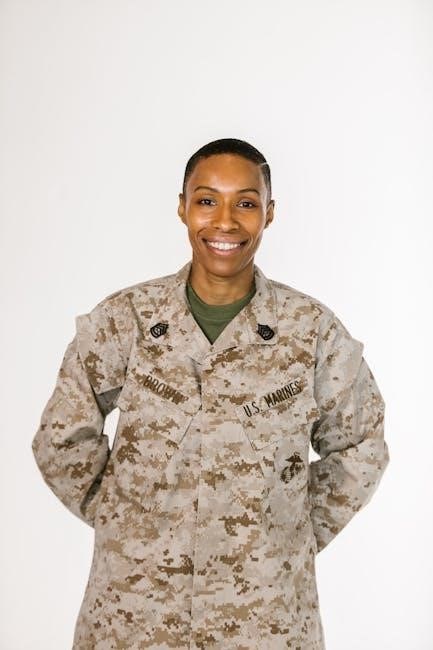
Company guidons build upon the scarlet base with distinct numerical designations, prominently displayed to identify each company within a battalion. These numbers, typically gold in color, are precisely sized and positioned according to established military specifications – ensuring clarity and uniformity across all units.
Beyond the numerical identifier, company guidons often feature specific unit designations or historical accolades. These additions, approved through official channels, serve to commemorate significant achievements or reflect the company’s unique heritage. The arrangement of these elements is carefully regulated to maintain a consistent and professional appearance.

The hoist side of the guidon typically displays the company number, while the fly may incorporate additional insignia or lettering. Precise height of the numbers is outlined in the specifications, guaranteeing legibility and adherence to protocol. These design elements collectively transform the scarlet field into a powerful symbol of company pride and operational identity.

Platoon Guidons: Variations and Distinctions
Platoon guidons represent a further refinement of unit identification, building upon the company structure with unique markings to distinguish each platoon within a company. While maintaining the core scarlet field and overall guidon format, platoon guidons incorporate specific symbols or alphanumeric designations to denote their individual identity.
These distinctions often take the form of colored streamers or small, approved insignia attached to the guidon staff or the flag itself. The color and arrangement of these elements are carefully prescribed, ensuring clear differentiation between platoons and preventing ambiguity during field operations or ceremonial events.
Unlike company guidons with prominent numerical displays, platoon identifiers tend to be more subtle, focusing on symbolic representation rather than direct numerical labeling. This approach allows for greater flexibility in design while still maintaining a cohesive and recognizable unit identity. Adherence to established guidelines is crucial to preserve the integrity and professionalism of the Marine Corps’ guidon system.
Proper Guidon Etiquette & Protocol
Maintaining the dignity and respect of the Marine Corps guidon requires strict adherence to established etiquette and protocol. The guidon is not merely a flag; it’s a symbol of unit pride, heritage, and the valor of those who serve. Proper handling and display are paramount at all times.
Guidons are never allowed to touch the ground, even briefly. When not in use, they must be securely stored in a designated, clean, and dry location. During inclement weather, appropriate measures must be taken to protect the guidon from damage. Never display a frayed, faded, or damaged guidon; it reflects poorly on the unit.
When bearing the guidon, maintain a dignified bearing and move with precision. Avoid any actions that could be interpreted as disrespectful. The guidon bearer is a position of honor, demanding composure and attention to detail. Strict adherence to these protocols reinforces the Marine Corps’ commitment to discipline and tradition.
Guidon Bearing & Movement Techniques
Proper guidon bearing demands a straight posture, shoulders back, and a firm grip on the pike. The guidon should be held at a consistent height, approximately seven feet from the ground, maintaining a dignified and commanding presence. Movement must be precise and synchronized, reflecting the unit’s discipline.
During marching, the guidon is carried at a steady pace, avoiding any jerky or erratic motions. Turns are executed with a smooth, controlled pivot, ensuring the guidon remains upright and visible. When halting, the guidon is brought to a smart, precise halt, maintaining its vertical alignment.
In ceremonies, the guidon bearer often performs specific maneuvers, requiring extensive practice and coordination. These techniques emphasize respect for the guidon and the unit it represents. Mastery of these movements demonstrates professionalism and honors the Marine Corps’ rich traditions. Consistent practice is crucial for flawless execution.
Guidon Display & Storage Procedures
Proper display of the Marine Corps guidon is paramount, reflecting respect for the unit and the Corps’ heritage. When displayed indoors, the guidon should be positioned in a prominent location, secured with a suitable stand or hanger, ensuring it is fully extended and visible. Outdoor displays require a sturdy flagpole and appropriate mounting hardware, protecting it from the elements.
Storage procedures are equally critical to preserve the guidon’s condition. When not in use, the guidon must be carefully rolled, not folded, to prevent creases and damage to the fabric and embellishments. It should then be stored in a clean, dry, and secure location, protected from sunlight, moisture, and pests.
Regular inspection is essential to identify any signs of wear or damage. Minor repairs should be addressed promptly to maintain the guidon’s appearance and integrity. Following these procedures ensures the guidon remains a symbol of pride and honor for years to come.
Aiguillettes and Guidon Bearers
The selection of Guidon Bearers is a position of high honor, entrusted to Marines demonstrating exceptional leadership, bearing, and attention to detail. These individuals are responsible for the safekeeping and dignified presentation of the unit’s guidon during all official ceremonies and events.
Aiguillettes, specifically silver variations, are authorized for Marine Corps Aides-de-Camp serving General Officers. These braided cords, worn on the left shoulder, signify the aide’s special relationship and duty to the officer they serve. Their usage mirrors protocols within other branches of the Department of Defense, like the Army and Navy, where color denotes the officer’s rank.
Guidon Bearers and Aides-de-Camp must maintain impeccable uniform standards and demonstrate a thorough understanding of Marine Corps protocol. Proper wear and presentation of the aiguillette are crucial, reflecting the prestige of the office and the respect due to the General Officer.

Aiguillette Usage for Marine Corps Aides-de-Camp
Marine Corps Aides-de-Camp utilize silver aiguillettes as a visible symbol of their distinguished position and direct service to General Officers. The aiguillette is worn on the left shoulder, secured properly to maintain a neat and professional appearance, signifying a trusted and close relationship.

Specific regulations govern the precise placement and wear of the aiguillette, ensuring uniformity and adherence to established standards. It’s a mark of honor, representing the aide’s responsibility for assisting the General Officer with a wide range of duties, from logistical support to ceremonial engagements.
Consistent with practices across the Department of Defense – including the Army and Navy – the Marine Corps employs aiguillettes to clearly identify these key personnel. Proper etiquette dictates that the aiguillette is treated with respect, reflecting the importance of the aide’s role and the General Officer they serve. Maintaining the aiguillette’s pristine condition is paramount;
Guidon Dimensions: Official Measurements (Hoist & Fly)
The Marine Corps Guidon adheres to precise dimensional specifications, crucial for maintaining uniformity and proper display across all units. Official measurements dictate a hoist of 1.83 feet – the vertical side parallel to the staff – ensuring consistent proportions. Complementing this, the fly measures 2.33 feet, representing the horizontal side extending outward.
These dimensions are not arbitrary; they are meticulously defined within military specifications, governing the overall appearance and visual impact of the guidon. Detailed regulations extend beyond the basic hoist and fly, outlining the height and spacing of numbers and other design elements. Accuracy in manufacturing is paramount, requiring adherence to strict quality control measures.
Variations are not permitted without explicit authorization, as deviations compromise the standardized appearance essential for recognition and esprit de corps. These precise measurements contribute to the guidon’s symbolic power, representing the unit’s identity and heritage with unwavering consistency. Properly sized guidons are a testament to Marine Corps precision.